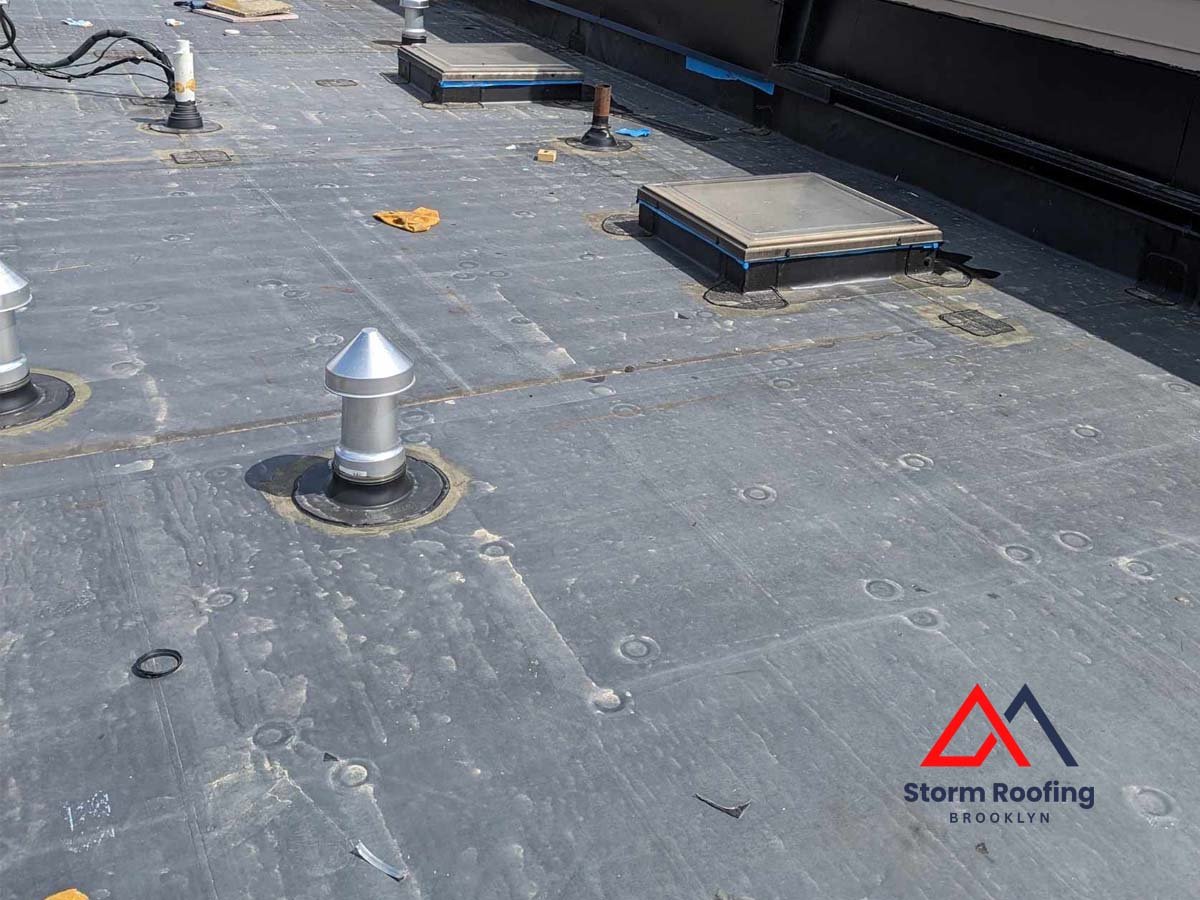
EPDM roofing systems offer exceptional durability for commercial and residential flat roofs. However, reaching the 50-year lifespan that these rubber membranes can achieve requires more than just initial installation quality.
Most EPDM roofs fail prematurely due to preventable maintenance issues rather than material defects. Property owners who implement these seven strategies consistently see their roofing investments last decades longer than average.
The following maintenance secrets come from roofing contractors who’ve observed thousands of EPDM installations over 30+ years. These aren’t theoretical concepts—they’re proven methods that separate roofs lasting 15 years from those still performing after 40.
Understanding the specific vulnerabilities of EPDM material helps you protect your investment. Unlike traditional roofing materials, rubber membranes respond differently to environmental stressors and require specialized care approaches.
EPDM membrane consists of synthetic rubber compounds designed specifically for roofing applications. The material remains flexible across temperature ranges from -40°F to 300°F, making it suitable for diverse climates.
This rubber composition provides several advantages over alternative flat roofing materials. EPDM resists ozone, UV radiation, and oxidation better than many competitors. The membrane doesn’t become brittle with age when properly maintained, unlike some thermoplastic options.
The black surface naturally absorbs solar radiation, which can increase cooling costs in hot climates. However, this same property helps the membrane remain pliable during cold weather installation and repairs.
EPDM comes in two primary thicknesses: 45 mil and 60 mil. The thicker 60 mil option offers better puncture resistance and typically lasts 5-10 years longer. Both thicknesses can achieve exceptional lifespans with appropriate care.
The membrane’s Achilles heel lies in its seams and penetrations. While the material itself can last 50+ years, failure points almost always occur at joints, flashings, or areas around rooftop equipment. Understanding this vulnerability guides maintenance priorities.
Chemical resistance varies depending on specific substances. EPDM handles most environmental exposures well but can degrade when exposed to petroleum-based products, animal fats, or certain solvents. Keeping these substances off your roof prevents accelerated deterioration.
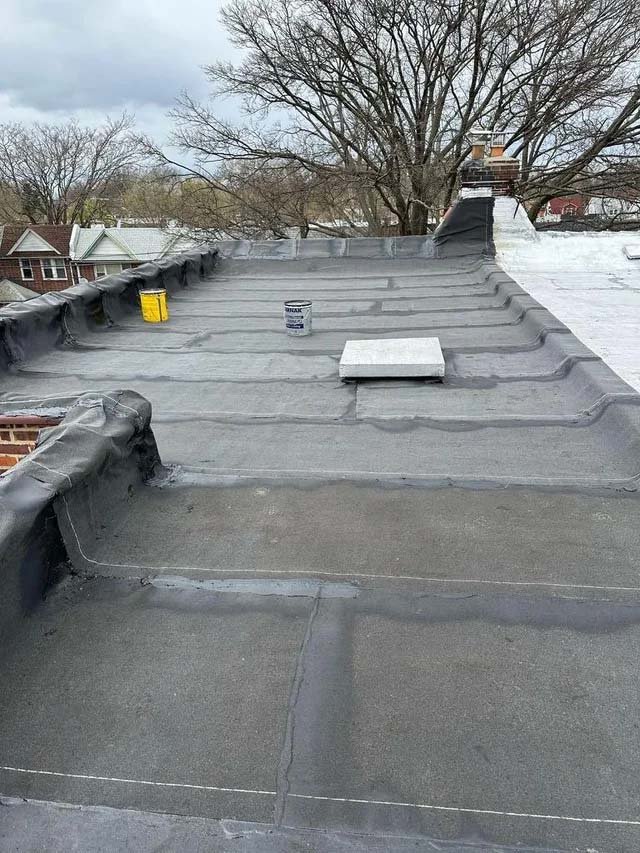
The quality of your EPDM roof’s installation determines its maximum possible lifespan before a single maintenance task occurs. Research from roofing material manufacturers shows that 80% of premature EPDM failures trace back to installation defects rather than material problems.
Choosing an experienced EPDM contractor makes the difference between a 20-year roof and a 50-year roof. Not all roofing contractors possess equal skill with rubber membrane systems, as the techniques differ significantly from traditional roofing methods.
The installation environment matters tremendously. EPDM adhesives require specific temperature ranges (typically 40°F-100°F) and dry conditions for proper bonding. Contractors who rush installation during marginal weather conditions create weak points that fail within the first decade.
Proper substrate preparation involves more than simple cleaning. The roof deck must be completely dry, smooth, and free from protrusions that could puncture the membrane over time. Any existing roof damage requires repair before membrane application.
Adhesive application technique affects bond strength significantly. Thin or uneven adhesive coverage creates areas vulnerable to wind uplift and water infiltration. Quality installers apply adhesive at manufacturer-specified rates and ensure complete coverage.
EPDM seams represent the weakest link in any rubber roofing system. While the membrane itself rarely fails, seam separation causes most leaks in EPDM roofs over 15 years old.
Three primary seaming methods exist: tape seams, liquid adhesive seams, and heat-welded seams. Heat-welded seams provide the strongest, most durable bond but require specialized equipment and training. Properly executed heat-welded seams can outlast the membrane itself.
Tape seams offer easier installation but require meticulous surface preparation. Any dust, moisture, or oils on the membrane surface compromise tape adhesion. Quality contractors clean surfaces with manufacturer-approved primers before tape application.
Minimum overlap requirements vary by seaming method but typically range from 3-6 inches. Insufficient overlap creates weak seams that separate under thermal stress or wind pressure.
The roof deck condition directly impacts EPDM longevity. Structural issues like ponding areas, sagging sections, or damaged insulation must be addressed before membrane installation.
Moisture testing of the existing substrate prevents trapped moisture problems. Installing EPDM over wet insulation or decking leads to accelerated deterioration and potential mold growth. Professional installers use moisture meters to verify substrate dryness.
Insulation boards require proper fastening patterns to prevent movement. Loose insulation creates pressure points against the membrane that can cause premature wear or punctures.
Edge metal and termination bars must be installed correctly to prevent wind uplift. EPDM systems rely on proper edge securement to maintain membrane position during storms.
Twice-yearly inspections represent the single most cost-effective maintenance investment for EPDM roofing systems. Spring and fall inspections allow you to address minor issues before they become expensive failures.
Professional inspections cost $200-500 for typical commercial buildings but can prevent repairs costing thousands. Many roofing contractors offer annual inspection programs that include priority service and discounted repair rates.
Timing inspections seasonally makes sense for EPDM roofs. Spring inspections catch winter damage from ice, snow loads, and freeze-thaw cycles. Fall inspections prepare your roof for winter and identify summer damage from UV exposure and thermal expansion.
Documenting roof conditions through photographs creates valuable historical records. These records help track deterioration rates and justify maintenance budgets to property owners or boards.
Post-storm inspections should occur after any severe weather event. High winds, hail, or falling debris can damage EPDM membranes in ways that aren’t immediately visible from ground level.
Warranty requirements often mandate regular professional inspections. Failing to document inspections can void manufacturer warranties, leaving you responsible for premature failures.
Creating an inspection checklist ensures consistency and thoroughness. Include items like seam condition, flashing integrity, drainage function, and surface debris. Consistent inspection protocols help identify developing patterns before they cause failures.
Seam separation appears as visible gaps or lifting edges along membrane joints. Even small separations (1/8 inch or less) allow water infiltration and require immediate repair. Checking all seams remains the highest priority during any EPDM inspection.
Punctures and tears often occur around rooftop equipment, penetrations, or high-traffic areas. Small punctures can be difficult to spot but become obvious when water stains appear on interior ceilings.
Membrane shrinkage creates tension that pulls the material away from edges and penetrations. EPDM can shrink 1-2% over its lifetime, which translates to several inches on large roofs. Look for exposed fasteners, pulled-back flashings, or gaps at parapet walls.
Ponding water indicates drainage problems that accelerate membrane deterioration. EPDM handles standing water better than many alternatives, but water remaining over 48 hours after rainfall signals concern.
Surface degradation appears as chalking, checking, or loss of elasticity. While some surface changes are normal aging, rapid deterioration suggests exposure to incompatible chemicals or excessive UV damage.
Flashing condition at pipes, vents, and other penetrations requires careful examination. These transition points between different materials experience high stress and often fail before the main membrane.
Regular cleaning extends EPDM roof life by preventing chemical degradation and maintaining proper drainage. However, incorrect cleaning methods can damage the membrane more than dirt accumulation would.
Frequency depends on your environment and surrounding vegetation. Roofs with significant tree coverage require quarterly cleaning, while roofs in open areas may only need annual service.
Basic cleaning involves removing debris, leaves, and dirt that trap moisture against the membrane. Use soft-bristle brooms or leaf blowers rather than sharp tools that could puncture the rubber.
Pressure washing EPDM requires careful technique and appropriate pressure settings. Keep pressure below 1,500 PSI and maintain a distance of at least 12 inches from the membrane surface. High pressure or close contact can damage seams or puncture the membrane.
Chemical cleaners must be EPDM-compatible. Many common cleaning agents damage rubber roofing, including petroleum-based solvents, citrus cleaners, and some detergents. Always verify manufacturer approval before applying any chemical to your EPDM roof.
Algae and moss growth requires prompt removal. These organisms trap moisture and their roots can penetrate membrane surfaces. Zinc or copper strips installed at roof peaks prevent biological growth naturally.
Drain and gutter cleaning prevents water backup that accelerates membrane deterioration. Clogged drains create ponding conditions and can overflow onto walls, causing additional building damage.
Removing debris from around penetrations and equipment prevents moisture accumulation in these vulnerable areas. Pay special attention to HVAC units, vent pipes, and skylights where debris typically collects.
Small punctures and tears expand rapidly once water infiltrates the roofing system. A puncture the size of a pencil eraser can admit several gallons of water during a single rainstorm, causing interior damage far exceeding the repair cost.
Quick response to minor damage prevents major repairs. EPDM patch kits cost $30-100 and can be applied by property maintenance staff for simple repairs. Delaying repairs allows water to saturate insulation, damage decking, and potentially compromise structural elements.
Proper patch preparation determines repair longevity. Clean the damaged area thoroughly, removing all dirt, oils, and loose material. Most EPDM repairs require surface preparation with manufacturer-approved primers.
Patch sizing matters significantly. Extend patches at least 6 inches beyond the damaged area in all directions. Undersized patches fail at their edges, requiring complete rework.
Temperature affects repair adhesive performance. Apply patches during dry conditions when temperatures remain between 40°F and 100°F for optimal adhesion. Emergency repairs in cold weather may require heat lamps or specialized cold-weather adhesives.
Multiple patch layers shouldn’t overlap at edges. Overlapping patch edges create raised areas that concentrate stress and fail prematurely. If multiple repairs are needed in close proximity, consider a single large patch covering the entire area.
Professional repairs for significant damage cost $500-2,000 depending on size and accessibility. Complex repairs near penetrations or edges often require contractor expertise to maintain warranty coverage.
Effective water removal from EPDM roofs prevents 90% of premature failures. While EPDM handles temporary ponding better than many roofing materials, sustained water exposure accelerates deterioration significantly.
Standing water weighs approximately 5 pounds per square foot per inch of depth. This extra weight stresses roof structures and membrane seams, potentially causing failures over time. Proper drainage eliminates this unnecessary load.
Internal drains require quarterly inspection and cleaning. Debris accumulation in drains creates the ponding conditions that damage roofing systems. Screen strainers prevent larger debris from entering drain pipes but need regular clearing.
Scuppers and overflow drains provide secondary drainage when primary systems fail. These emergency outlets should be tested annually to ensure functionality. Blocked overflow drains allow water accumulation that can exceed roof design loads.
Roof slope verification catches structural settling problems. Over time, building settlement or insulation compression can create low spots where water collects. Addressing drainage problems often requires adding tapered insulation to redirect water flow.
Gutter and downspout maintenance prevents water backup. Clogged gutters overflow onto roof edges, potentially causing water infiltration behind flashings.
Cricket installation around large rooftop equipment diverts water and prevents debris accumulation. These sloped structures guide water around obstacles rather than allowing pooling on the upstream side.
Winter ice dam prevention requires proper insulation and ventilation. Ice dams on EPDM roofs can cause significant damage when melting water backs up under flashings or seams.
EPDM’s black surface absorbs significant solar radiation, causing thermal cycling that stresses the membrane. Temperature fluctuations of 100°F or more between day and night create expansion and contraction that gradually weakens seams and flashings.
Reflective coatings reduce surface temperatures by 30-50°F during summer months. This temperature reduction extends membrane life, lowers cooling costs, and improves occupant comfort.
White or light-colored coatings reflect 80-90% of solar radiation compared to EPDM’s 5-10% reflectivity. The energy savings alone often justify coating costs within 3-5 years, with extended roof life as an additional benefit.
Proper coating application requires thorough surface preparation. The membrane must be clean, dry, and free from oils or contaminants that prevent coating adhesion. Professional application costs $1.50-3.00 per square foot but provides 10-15 years of enhanced protection.
Timing coating application optimally occurs when the EPDM membrane shows early aging signs but remains structurally sound. Coating damaged or deteriorated membranes provides minimal benefit. Ideally, apply coatings after 10-15 years of service.
Maintenance coatings require reapplication every 10-15 years. While this represents an ongoing cost, it remains far less expensive than complete roof replacement.
Coating selection should prioritize products specifically formulated for EPDM substrates. Some coating types don’t adhere properly to rubber membranes or contain solvents that damage EPDM.
EPDM membranes expand and contract significantly with temperature changes. A 100°F temperature swing can cause a 100-foot-long membrane section to change dimensions by 4-5 inches. This movement creates stress at seams, penetrations, and edges that causes most EPDM failures.
Properly designed systems accommodate thermal movement through several methods. Mechanically fastened systems allow the membrane to move independently from the substrate, reducing stress concentrations. Fully adhered systems require stress relief at building expansion joints and parapet walls.
Edge metal systems must allow controlled movement. Rigid termination bars that prevent membrane expansion create tears at the attachment points. Termination methods should incorporate sliding or flexible elements that accommodate thermal cycling.
Penetration flashings require flexible designs. Rigid pipe boots or equipment curbs that constrain thermal movement often fail within 10-15 years. EPDM-compatible flexible flashings last significantly longer by moving with the membrane.
Building expansion joints need special attention. These structural movement points require roofing systems that accommodate building movement without transferring stress to the membrane.
Seasonal maintenance addresses thermal movement effects. Spring inspections should check for winter contraction damage, while fall inspections look for summer expansion problems.
Installing EPDM during moderate temperatures (50-70°F) reduces initial stress. Membranes installed during extreme temperatures experience increased stress when conditions normalize.
Understanding your climate’s temperature range helps predict membrane behavior. Regions with extreme temperature swings require more robust edge details and stress relief provisions than moderate climates.
Storm Roofing Brooklyn
Don't wait until minor issues become major problems.
We specializes in EPDM roofing installation, maintenance, and repair throughout Brooklyn and the surrounding areas.
Our certified technicians understand the unique requirements of rubber roofing systems and implement the proven strategies that extend roof life by decades.